Americans celebrate July 4th as Independence Day, honoring the day in 1776 that the Second Continental Congress ratified the Declaration of Independence proclaiming the American colonies free of British rule.
But do you know about our nation’s second Independence Day?
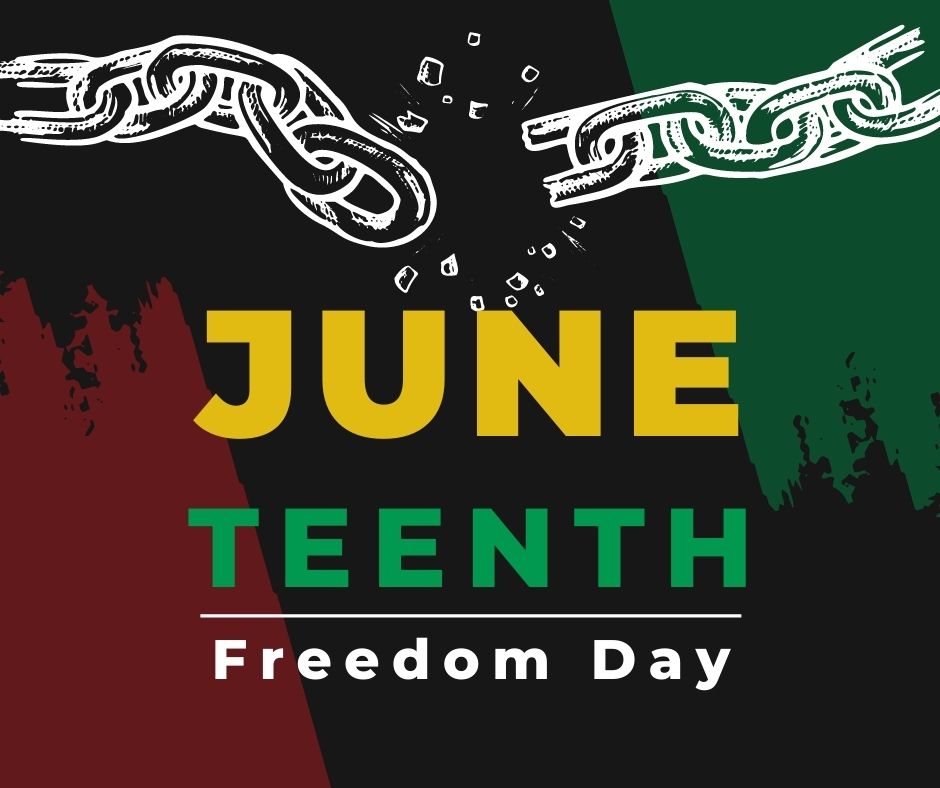
On June 19, 1865, institutionalized slavery of Black Americans was ended in Texas, the last state where it remained in practice, more than two years after the Emancipation Proclamation. That date is now known as Juneteenth. It’s often called America’s second Independence Day and considered the longest-running holiday for the Black community.
“Even though (the freed slaves) were confronted with the challenges of racism and oppression from the very moment that freedom was announced, they still decided, ‘we need to buy land, because we need a space to celebrate this freedom.’ As soon as that very following year you see the emergence of Emancipation parks all throughout the country. … We chose this moment to savor, to see where we’ve come from, to chart where we were going to go, and to relish the strength of our families and communities.” —Kelly E. Navies, Smithsonian National Museum of African American History and Culture
Although observed in many communities and states for more than 150 years, Juneteenth finally earned federal holiday status just last year. It’s an important day for all Americans to commemorate. It’s crucial that we both celebrate the freedom Juneteenth represents and acknowledge the struggle that Black Americans and other people of color still face today.
“Juneteenth is not this fixed holiday as the 4th of July is. It’s not a neutral holiday where you just show up. Juneteenth requires you to be present, in the moment, and very specific about why you are showing up to celebrate it.” —Angela Tate, Smithsonian National Museum of African American History and Culture
United Way of South Central Michigan honors Juneteenth as a celebration of freedom and a call to action to confront racism and discrimination in all forms:
- We work on behalf of all people, regardless of age, race, ethnicity, gender identity, religion, sexual orientation, social-economic status, or physical, mental or developmental disabilities.
- We’re determined to make sure every program, partner, and investment addresses our community’s needs in an equitable way.
- We recognize the significant, ongoing harm caused by systemic racism and historical inequities in our communities. We’re committed to changing that by listening, learning and changing to build a more diverse, inclusive, and equitable culture; and by becoming a stronger, more effective advocate and partner in dismantling inequitable systems.
Read more about Juneteenth and the perspectives from National Museum of African American History and Culture in this series of blogs: part 1, part 2 and part 3.
Here are celebrations happening across our region:
- Juneteenth Family Day Celebration, Battle Creek, June 17-18.
- Jackson Annual Juneteenth Community Celebration and Resource Fair, Jackson, June 17-18.
- Juneteenth Kalamazoo, Kalamazoo, June 17-19
- Lansing Juneteenth Celebration, Lansing, June 17-18
Note: In honor of Juneteenth, United Way of South Central Michigan offices will be closed on the federal observance date—Monday, June 20.